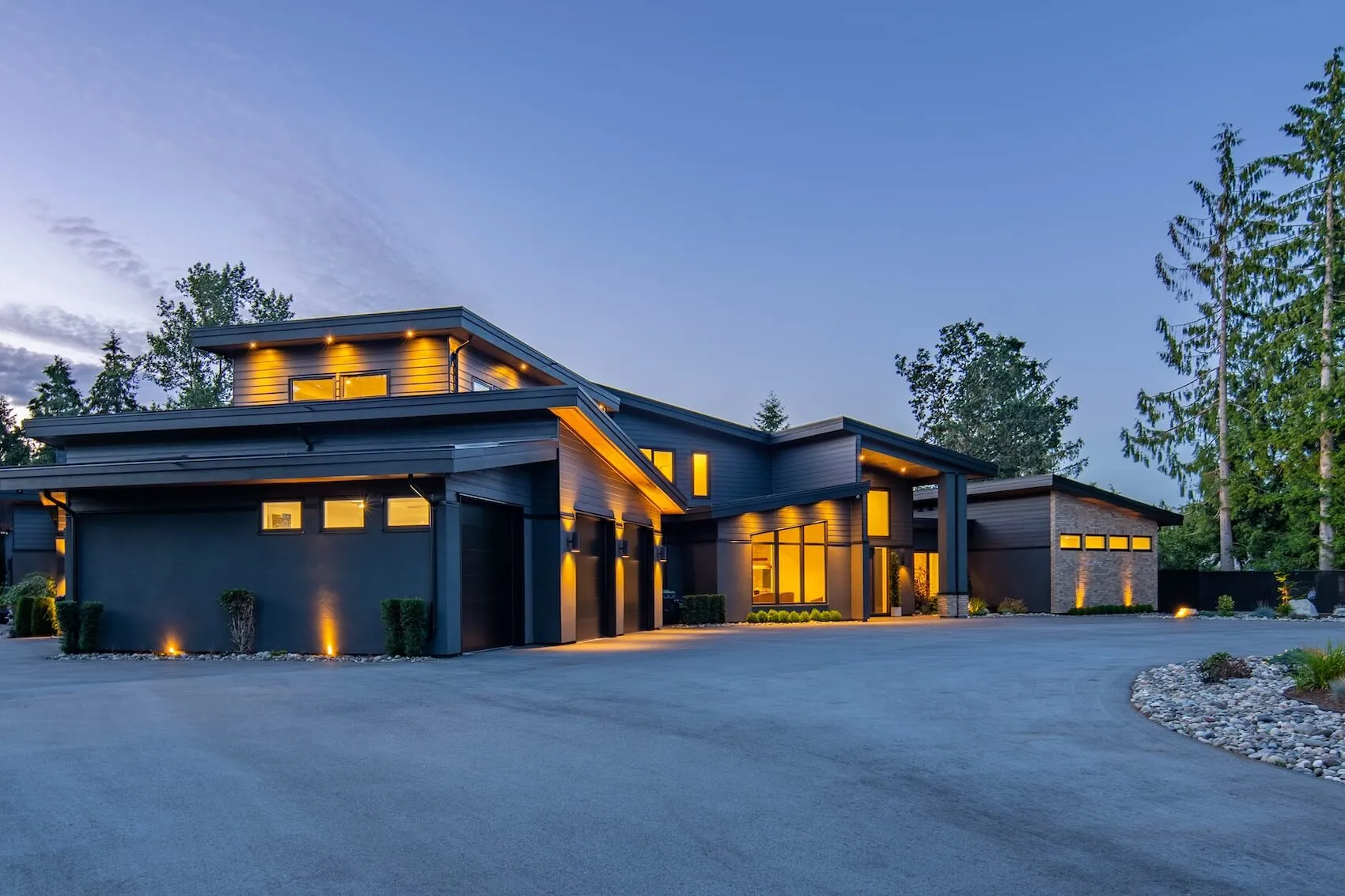
More extended families across the Lower Mainland are choosing to live together on one property—and it’s not just about saving money. Our clients tell us they want multigenerational homes that offer a way to stay close to aging parents, support adult children, and create stronger family bonds while navigating BC’s challenging housing market.
Between 2011 and 2021, multi generational households in Canada grew by 21%, outpacing all other household types. Here in the Lower Mainland, where the average detached home in Metro Vancouver exceeds $2 million and purpose-built rental vacancy rates remain tight, the appeal of pooling resources and sharing space has never been stronger.
But intergenerational living requires thoughtful planning and smart design. Whether you’re considering a renovation to accommodate extended family or building a multigenerational home from the ground up, understanding your options will help you create a space where everyone can thrive.

Benefits of Multigenerational Living
The reasons families are choosing shared family properties extend well beyond economics, though the financial benefits are significant.
Financial Advantages
When multiple generations share housing costs—mortgage payments, property taxes, utilities, and maintenance—it eases the financial pressure on everyone. Multiple families can also mean three or more income earners, providing a financial buffer that helps weather economic uncertainty. In the Lower Mainland’s expensive housing market, this can mean the difference between home ownership and renting, or between financial stress and stability.
Emotional and Practical Support
There’s something comforting about having family close by. Adult children can help aging parents with day-to-day tasks and medical appointments, while grandparents often provide childcare that would otherwise cost thousands of dollars monthly. Plus, grandparents get unlimited access to grandkids—a win-win that no daycare can match. The arrangement creates built-in support systems that benefit everyone, from the youngest to the oldest family members.
Cultural Traditions
For many families in BC’s diverse communities, multi generational living aligns with long-held cultural values. Whether you refer to it as intergenerational housing or simply keeping family close, the concept isn’t a compromise. Instead, it’s the preferred way of life, honouring traditions while adapting to modern needs.
Design Solutions for Multi Generational Homes
Creating a functional multi generational home requires balancing togetherness with privacy. Each family needs their own space while sharing common areas that bring everyone together. Here are the most effective solutions we recommend to our clients.
1 / New Build with Integrated Suite or Wing
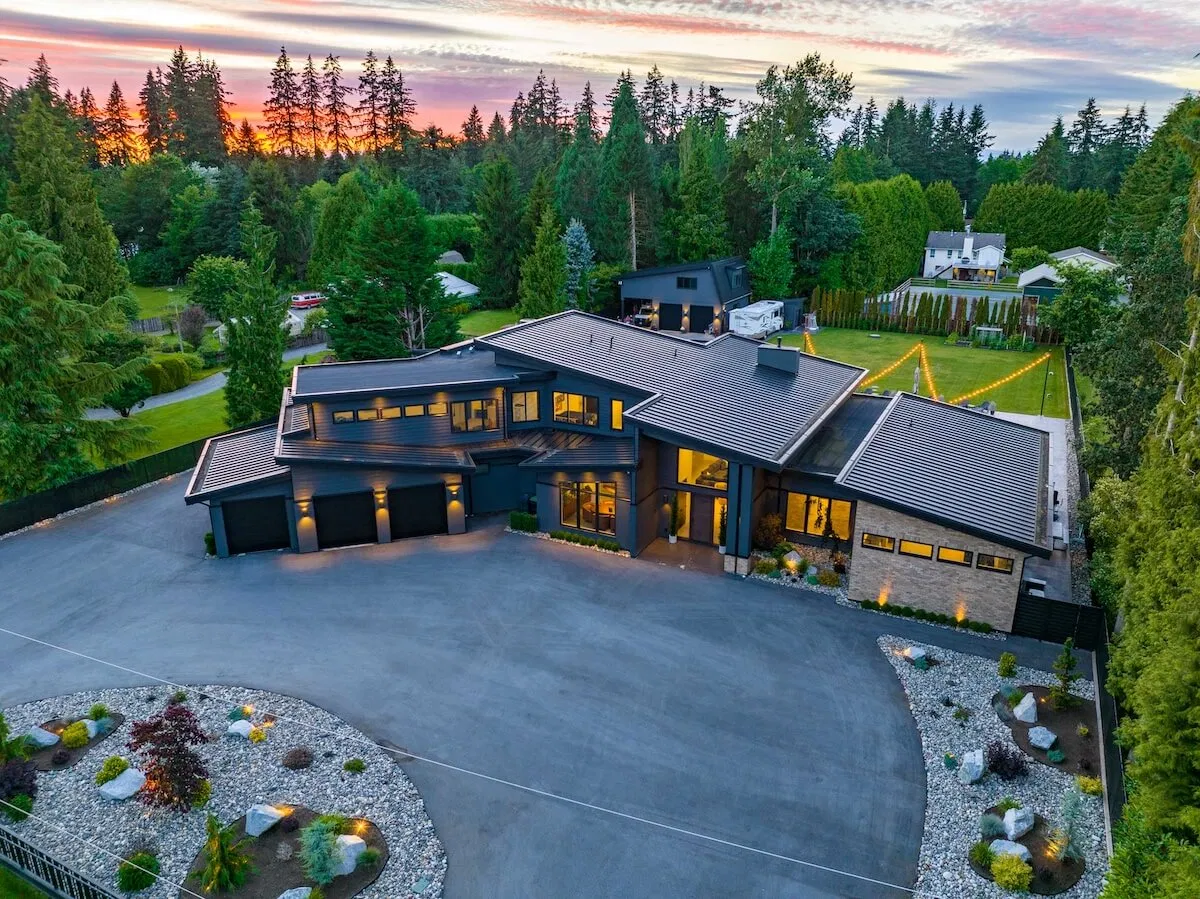
When building a new custom home, planning for multigenerational living from the beginning creates the most seamless results. One recent project included a 10,000 square-foot home in Langley (shown above) designed with an integrated suite/wing. This home represents a larger-scale example, but integrated suites and wings can be designed just as thoughtfully within smaller footprints and realistic budgets.
The home includes a complete secondary suite built as an integral part of the home’s design, with its own separate entrance, outdoor space, kitchen, bathroom, laundry, and living areas—providing complete independence for the homeowners’ parents while keeping family close.
What we love about this design is the connecting door: The suite functions as a completely private residence for day-to-day living, but an interior connecting door allows the entire extended family to gather seamlessly for events. The suite also incorporates universal design elements like a walk-in shower and spacious circulation areas, ensuring the space works well for aging in place.
When you’re starting with a blank slate, you have the flexibility to position the suite optimally on your lot, design complementary architectural styles, and integrate mechanical and structural systems efficiently—advantages that make new builds ideal for intergenerational planning.
2 / Coach Houses and Laneway Homes
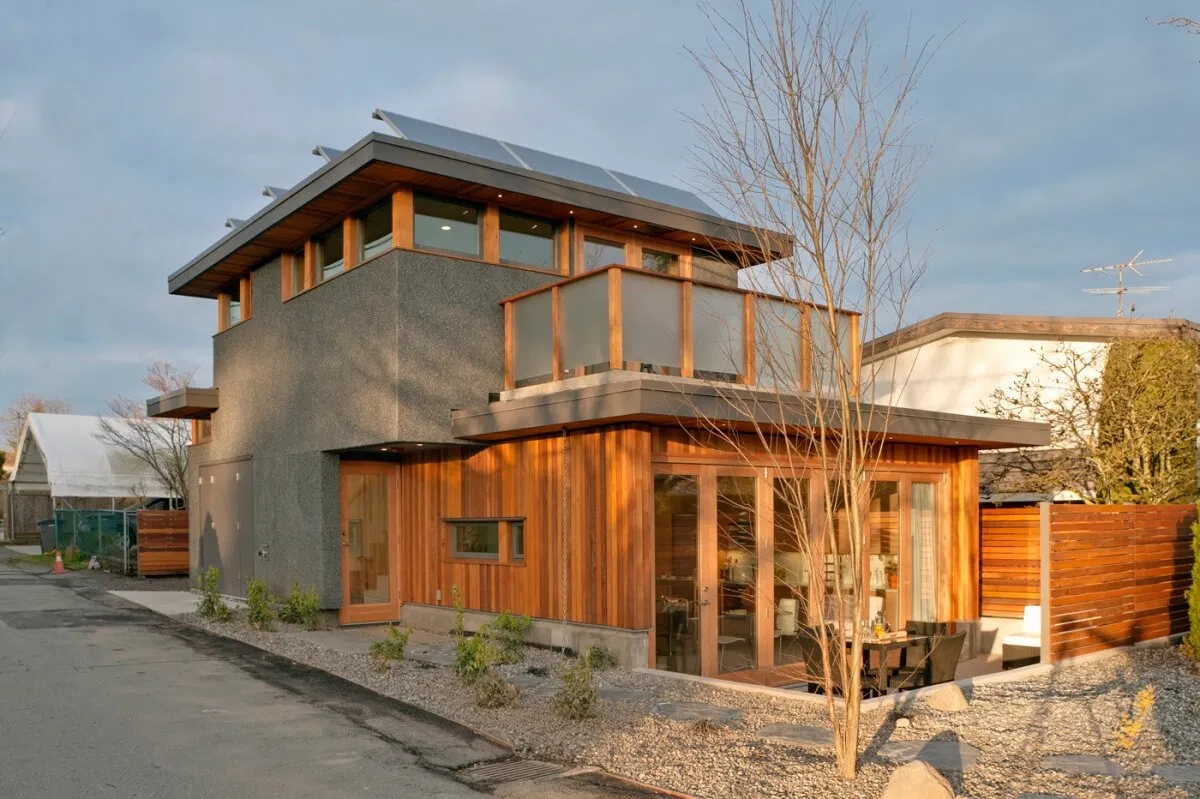
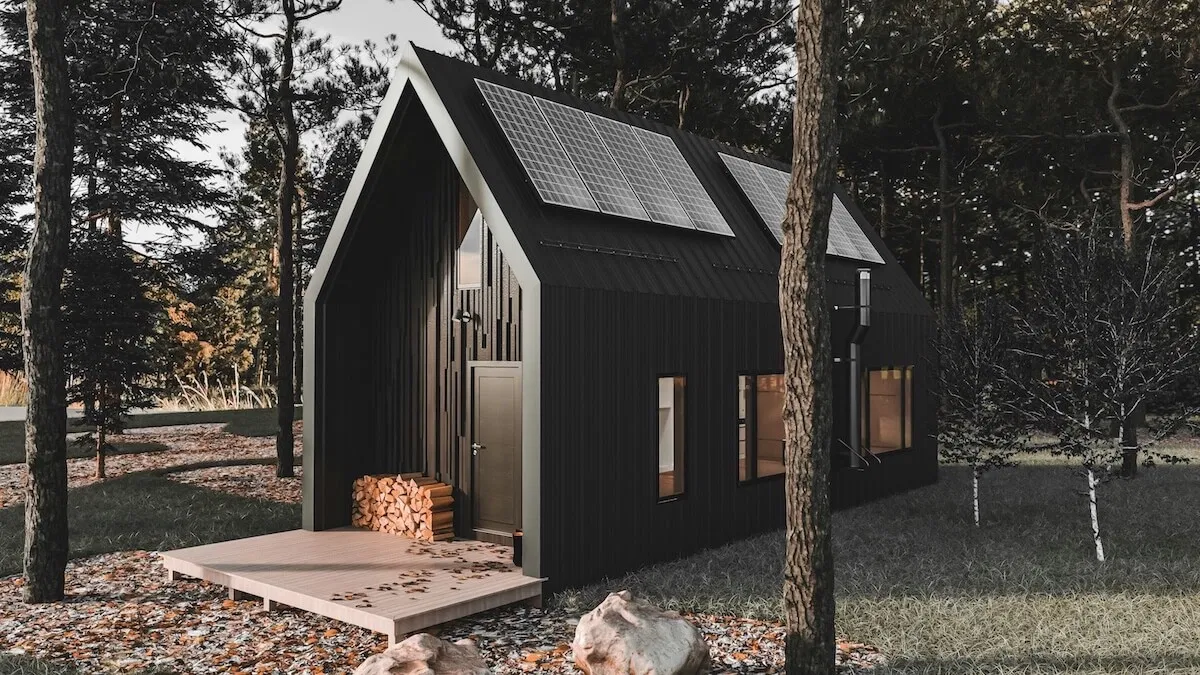
These detached secondary dwellings, typically ranging from 600 to 900 square feet, have become increasingly popular across Metro Vancouver municipalities as a way to create completely separate living spaces on your property. Built in the backyard of an existing property, they provide the highest level of privacy and independence—perfect for adult children who want their own space or aging parents who value autonomy while staying close to family.
The main differences are location, orientation, and stratification. Laneway houses face the lane or alley at the back of your property and have specific design requirements, while coach houses offer more flexibility in positioning, can face any direction on your lot, and likely have yard space.
Coach houses also may be ‘stratified’ (have their own legal title) and sold on their own. Both options require navigating municipal bylaws: Vancouver, Burnaby, New Westminster, and several other Lower Mainland cities have established programs for these secondary dwellings, though requirements for lot size, setbacks, and design vary by municipality. Our team can help you understand what’s possible on your specific property.
3 / Existing Home Renovations: Secondary Suites and Additions
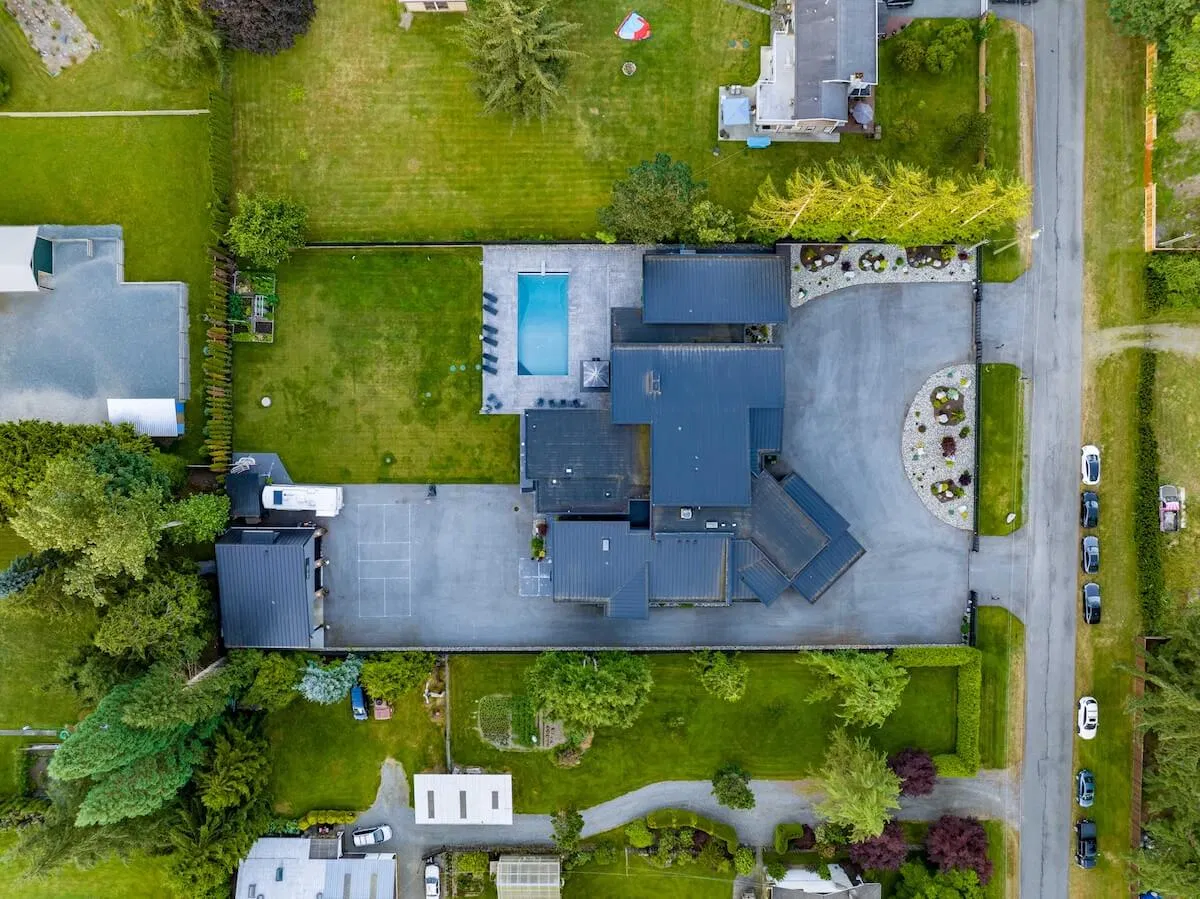
Already own a home and need to make room for extended family? Renovation offers several possibilities. Converting a basement into a legal secondary suite maximizes existing space with a self-contained living area, while adding a ground-level wing works well for families preferring main-floor living for aging parents. Both approaches require the same key elements: a private entrance, full kitchen, bathroom, bedroom and storage space—allowing each generation to maintain their routines independently.
The challenge with renovations is working within your existing structure and lot constraints, but with thoughtful design, you can create functional spaces that feel purposefully integrated rather than tacked on.
Accessibility Considerations
For aging parents or family members with mobility challenges, accessibility features are essential. Main-floor bedrooms eliminate the need for stairs, while walk-in showers with grab bars and curbless entries provide safe, dignified bathing. Wider doorways and hallways accommodate walkers or wheelchairs, and well-placed lighting reduces fall risks.
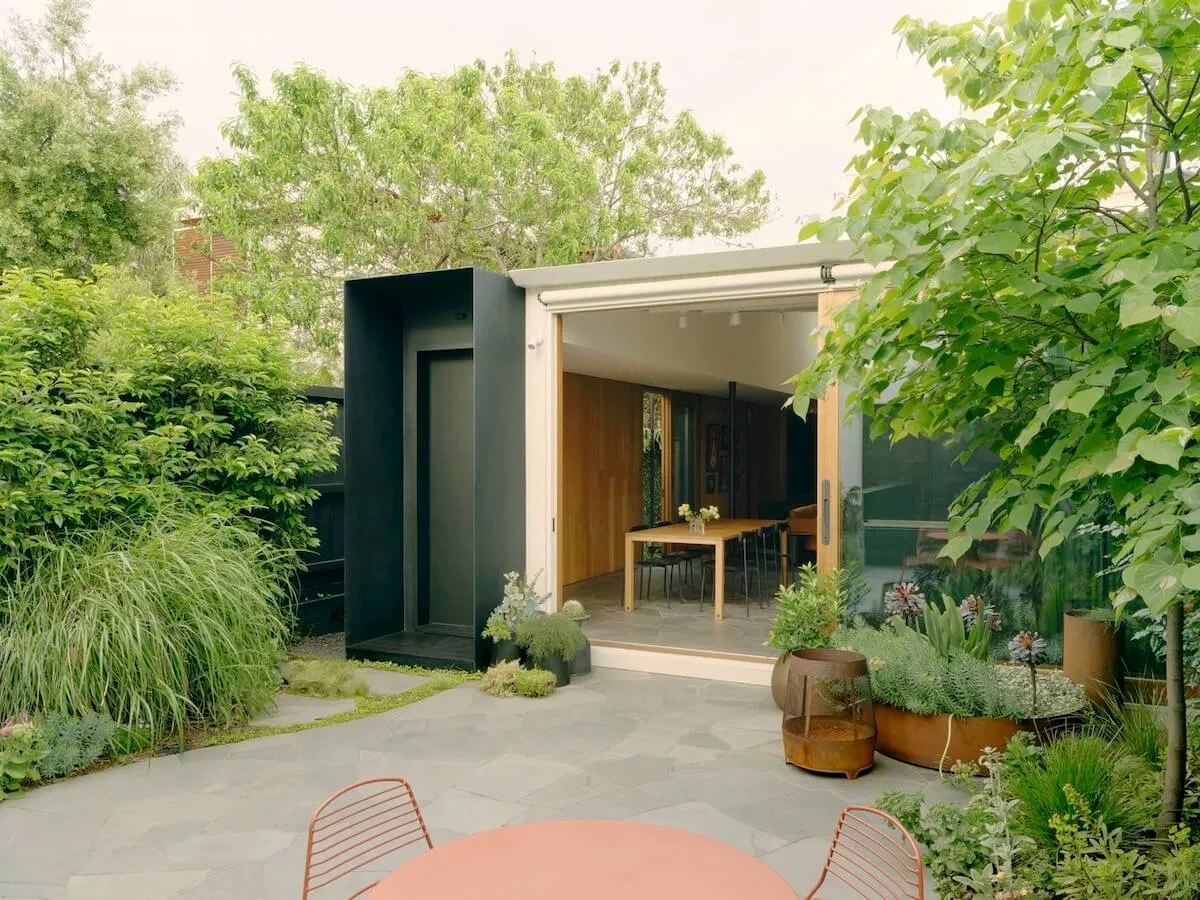
These modifications don’t have to compromise aesthetics. Modern accessible design integrates seamlessly into contemporary generational homes, creating beautiful spaces that serve everyone’s needs. In the Langley multigenerational suite project, universal design features like the walk-in shower and spacious open floor plan were incorporated, creating a personalized, elegant space designed for long-term comfort.
Privacy and Functionality
The most successful multifamily homes build privacy into the plan from day one. While families want to be close, they also need boundaries.
Sound Control
Proper insulation between living spaces is worth every penny. We recommend upgraded insulation in walls and floors between units, along with soundproofing materials that minimize noise transfer. The investment pays dividends in household harmony.
Separate Outdoor Spaces
When possible, creating distinct outdoor areas for each unit allows everyone to enjoy fresh air and privacy. This might mean a separate patio entrance for a basement suite or a small deck off a laneway house. Even a well-placed fence or strategic landscaping can create the sense of separate zones.
Kitchen and Living Areas
While some families share a kitchen and gather for regular meals, others prefer to have their own kitchen to limit negotiations on cooking times and fridge space. The arrangement depends on your family dynamics and preferences. What matters most is having an intentional plan that everyone agrees on before construction begins.
Financial Support and Building Regulations
The Multigenerational Home Renovation Tax Credit (MHRTC)
Here’s some good news: The federal government offers the Multigenerational Home Renovation Tax Credit, a refundable tax credit of up to $7,500 (15% of up to $50,000 in eligible expenses), for creating a secondary suite for a senior aged 65+ or an adult with a disability who is related to you. The renovation must create a self-contained unit with a separate entrance, kitchen, bathroom, and bedroom. You must claim the credit in the year the work is completed, so keep detailed records of all expenses and permits.
Additional Accessibility Tax Credits
The federal and provincial (BC) governments offer other home accessibility tax credits to assist with renovation costs, such as the BC Home Renovation Tax Credit for Seniors and Persons with Disabilities, along with municipal grant programs. Our team stays current on available local home renovation grants and can help identify options for your project.
Permits and Building Codes
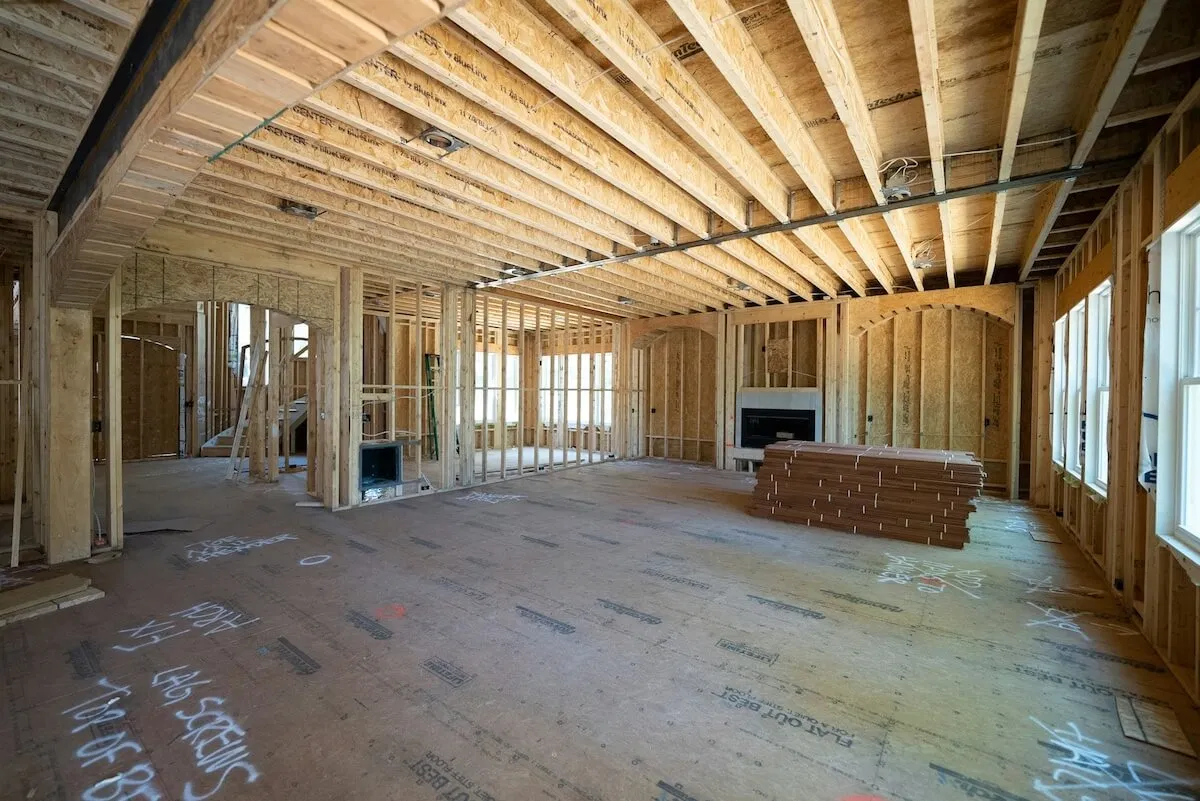
Major renovations creating new living spaces require building permits to ensure compliance with structural, fire safety, electrical, and plumbing codes. While permits add time and cost to your project, they protect your investment and ensure safety.
Each Lower Mainland municipality—Vancouver, Burnaby, Surrey, Coquitlam, Langley, and others—has specific requirements for secondary suites, additions, and laneway houses, covering everything from minimum lot sizes and setbacks to parking and maximum square footage.
As a design-build firm working throughout the Metro Vancouver region, we handle the permit process and navigate these local regulations for our clients.
Making the Decision
Creating a intergenerational home is a major project, both financially and emotionally. Before moving forward, have honest conversations with all family members about expectations, boundaries, and long-term plans.
Consider questions like:
- How will we handle shared expenses?
- What are the house rules for common spaces?
- How will we manage differences in lifestyle or schedule?
- What happens if circumstances change?
The families who thrive in shared housing arrangements are those who communicate openly, set clear boundaries, and design their spaces to support both togetherness and independence—creating a true extended family home that works for everyone.
Ready to Explore Your Options?
When done right, multigenerational living can be incredibly rewarding with the right design to support it. No matter what format you’re considering, our team brings the expertise to help you create a generational living home that works for your entire family.
We’ll assist in navigating municipal regulations, maximizing your property’s potential, and designing a home where every generation can thrive.